Not all signs
of ADHD
are loud!

It can also show up in ways we least expect.
These common behavioural patterns can be the symptoms of ADHD:
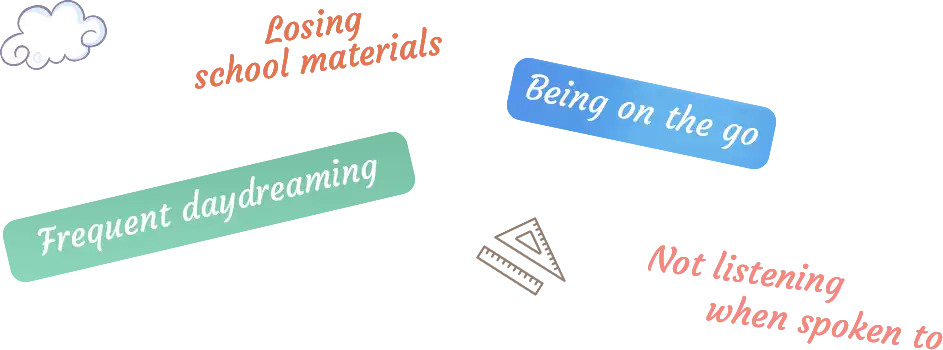








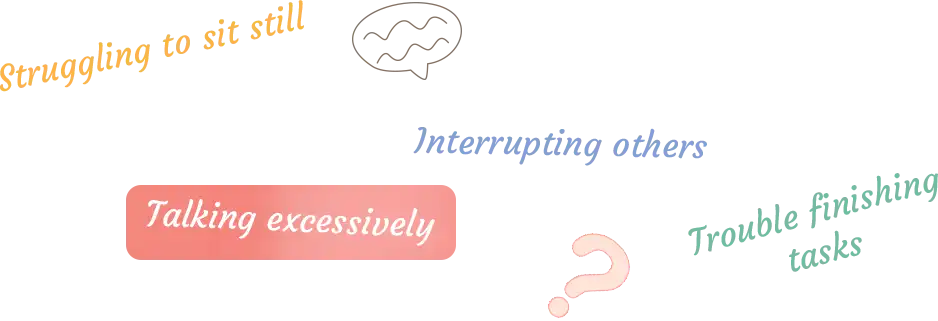
You must reach out to a child psychiatrist if you see these symptoms.
Professional support and education are key.
The disorder is classified into three main types based on the predominant behaviour patterns.

ADHD PIP
Frequent careless mistakes and difficulty in sustaining attention are common traits in this type of ADHD.
Children may seem quiet rather than disruptive.

ADHD PHIP
Constant 'on the go' behaviour, that can be described as impulsive or disruptive, is very common in this type of ADHD.
This makes it an easy-to-detect type of disorder.
ADHD Combined
The third type of ADHD is very common and often shows the symptoms of both inattention and hyperactivity-impulsivity.

Frequent careless mistakes and difficulty in sustaining attention are common traits in this type of ADHD.
Children may seem quiet rather than disruptive.

Constant 'on the go' behaviour, that can be described as impulsive or disruptive, is very common in this type of ADHD.
This makes it an easy-to-detect type of disorder.
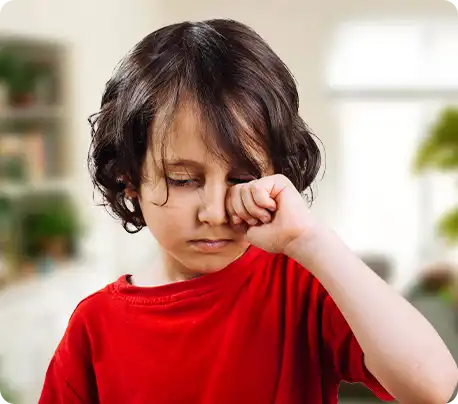
The third type of ADHD is very common and often shows the symptoms of both inattention and hyperactivity-impulsivity.
ADHD symptoms usually appear before age 12 and sometimes as early as 3 years old.
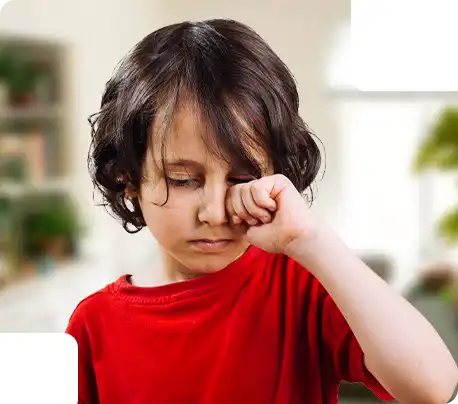
Children suffering from the disorder may seem in constant motion, where sitting still is expected.

 Trouble focusing in class
 Fall behind on schoolwork
 Frequently forgets instructions
 Restlessness or fidgeting
 Impulsive behaviour
It is clear that these features can look different with increasing age; ADHD is lifelong in many cases.
The hyperactivity may become a feeling of restlessness and undersleeping in teens.

 Poor grades
 Low self-esteem
 Strained friendships
 Difficulty managing time
 Easily overwhelmed by routine tasks